
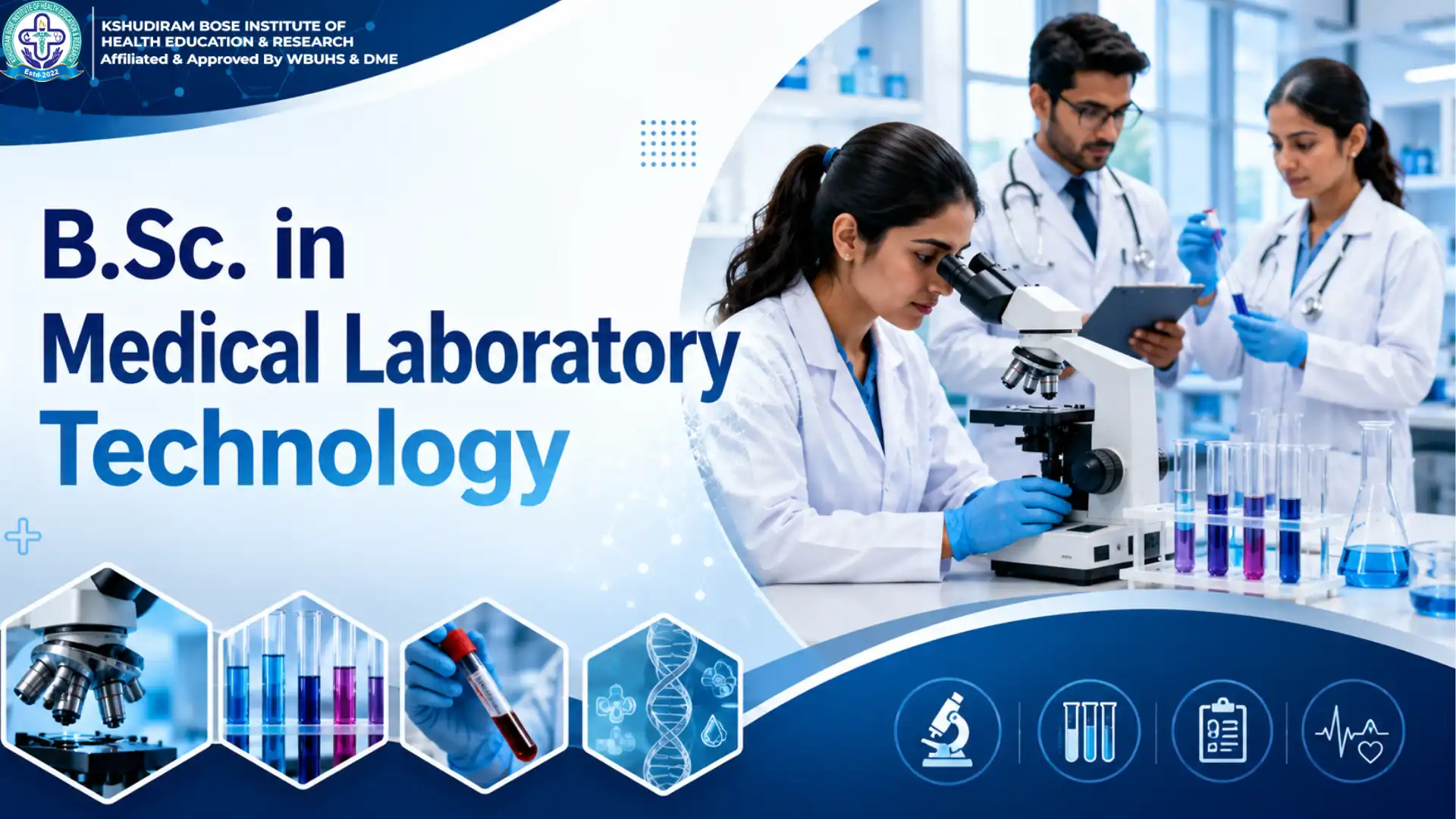
Healthcare is one of the fastest-growing sectors in India, and behind every successful diagnosis is a strong medical laboratory system. From blood tests to disease detection, laboratory professionals play a major role in helping doctors provide the right treatment at the right time. This is why the demand for skilled professionals with a B.Sc. in Medical Laboratory Technology is growing rapidly across hospitals, diagnostic centers, research labs, and healthcare institutions.
For students who are interested in science, healthcare, and practical medical work, a B.Sc. in Medical Laboratory Technology offers an excellent career path with long-term opportunities. The course combines theoretical knowledge with hands-on training and prepares students to become an important part of the medical field.
Among the institutions offering quality healthcare education, KBIHER has built a strong reputation for providing industry-focused learning, experienced faculty, and practical exposure for students who want to build successful careers in healthcare and medical sciences.
B.Sc. in Medical Laboratory Technology is an undergraduate degree program focused on laboratory testing, diagnosis, and medical analysis. The course trains students to perform laboratory procedures that help doctors identify diseases and monitor patient health.
Medical laboratory professionals work behind the scenes, but their role is extremely important in healthcare. They collect samples, conduct tests, analyze results, and ensure accuracy in medical reports. Whether it is checking blood sugar levels, identifying infections, or diagnosing serious illnesses, laboratory testing is an essential part of modern medicine.
The course generally spans three to four years depending on the curriculum structure and internship requirements. Students learn about human anatomy, pathology, microbiology, biochemistry, hematology, immunology, and laboratory management. Practical training is a major part of the program, helping students gain confidence and real-world experience.
India’s healthcare sector has expanded significantly over the last few years. Hospitals, clinics, and diagnostic centers are increasing in number, especially in urban and semi-urban areas. At the same time, awareness about preventive healthcare and regular health check-ups has also increased.
This growing healthcare ecosystem needs trained professionals who can manage laboratory operations efficiently. A B.Sc. in Medical Laboratory Technology helps bridge that gap by preparing students with the right technical and practical skills.Today, people are also becoming more health-conscious. Regular blood tests, pathology screening, and diagnostic services have become common. As a result, career opportunities in medical laboratory technology are expanding steadily.
This course is ideal for students who enjoy biology, healthcare science, and laboratory work. It suits individuals who are detail-oriented, responsible, and interested in working in the medical field without directly becoming a doctor.
Students who prefer practical learning and hands-on experience often find this course engaging and rewarding. Since laboratory work requires precision and concentration, patience and analytical thinking are also valuable qualities for this profession.
One of the biggest advantages of pursuing a B.Sc. in Medical Laboratory Technology is that students can enter the healthcare industry relatively quickly and start building a stable career.
The curriculum of B.Sc. in Medical Laboratory Technology is designed to provide a strong understanding of both medical science and laboratory techniques. Students are introduced to different aspects of disease diagnosis and laboratory operations.
Some of the common subjects include anatomy, physiology, pathology, microbiology, biochemistry, pharmacology, immunology, clinical hematology, and histopathology. Students also learn about laboratory equipment, sample collection methods, infection control, and diagnostic procedures.
Practical sessions are an important part of the learning process. Students spend time in laboratories where they learn how to handle instruments, conduct tests, and interpret results under professional guidance.Institutions like KBIHER focus on combining classroom knowledge with practical training so students are prepared for real healthcare environments.
A B.Sc. in Medical Laboratory Technology does more than just teach laboratory testing. It helps students build a range of professional skills that are valuable in healthcare careers.
Students learn accuracy, discipline, technical knowledge, communication skills, and problem-solving abilities. They also become familiar with laboratory ethics and patient safety practices.
Since technology is becoming an important part of healthcare, students also gain exposure to modern diagnostic tools and laboratory equipment. This practical understanding increases their confidence and improves employability after graduation.
One of the biggest reasons students choose B.Sc. in Medical Laboratory Technology is the wide range of career opportunities available after graduation.
Graduates can work in hospitals, pathology labs, diagnostic centers, blood banks, research institutions, healthcare companies, and public health laboratories. Some students also choose to work in educational institutions or continue higher studies for specialization.
Common job roles include medical laboratory technologist, lab technician, pathology technician, microbiology technician, research assistant, and quality control analyst.
The healthcare industry values skilled laboratory professionals because accurate testing directly affects patient treatment. This means qualified professionals are always needed.
As healthcare infrastructure continues to grow in India, the demand for trained medical laboratory professionals is expected to remain strong in the coming years.
After completing a B.Sc. in Medical Laboratory Technology, students can continue their education to improve their career prospects further.
Many graduates choose postgraduate programs in specialized areas such as microbiology, pathology, biochemistry, or clinical research. Some also pursue management courses related to healthcare administration.Higher qualifications can open doors to senior laboratory positions, teaching roles, and research opportunities. With experience and additional certifications, professionals can also move into supervisory and managerial positions.
The field offers continuous learning and growth because medical technology keeps evolving with new advancements and innovations.
Healthcare services in India are expanding rapidly across cities and smaller towns. Diagnostic testing has become an important part of routine healthcare, and hospitals are investing heavily in laboratory facilities.
This has created a strong demand for qualified professionals with a B.Sc. in Medical Laboratory Technology. From private hospitals to government healthcare facilities, opportunities are available in different sectors.
The rise of preventive healthcare, medical research, and advanced diagnostic services has further increased the need for trained laboratory professionals. Students entering this field today have the advantage of joining a growing industry with long-term stability.
Healthcare careers are also respected because they contribute directly to patient care and public health. Medical laboratory professionals may work behind the scenes, but their work has a major impact on saving lives and improving healthcare outcomes.
One of the biggest advantages of this course is career stability. Healthcare is an essential sector, and diagnostic services are always required.
The course also provides practical exposure, making students industry-ready from the beginning of their careers. Compared to many traditional degree programs, B.Sc. in Medical Laboratory Technology offers more direct career opportunities after graduation.
Another major benefit is flexibility. Graduates can work in hospitals, labs, research centers, educational institutions, or even pursue advanced studies for specialization.
For students interested in healthcare but looking for alternatives beyond traditional medical degrees, this program offers an excellent balance of science, practical work, and career growth.
Success in this field depends on both technical knowledge and practical skills. Students should focus on learning laboratory procedures carefully and staying updated with new medical technologies.
Internships and hands-on training are extremely valuable because they help students understand real healthcare environments. Communication skills and professionalism are also important because laboratory professionals often coordinate with doctors, nurses, and healthcare teams.
Choosing the best B.Sc. in Medical Laboratory Technology program can make a big difference in career growth. Institutions that provide strong practical exposure and professional training help students become more confident and job-ready.
The course usually lasts three to four years depending on the institution and internship structure.
Graduates can work as laboratory technologists, pathology technicians, research assistants, microbiology technicians, and diagnostic lab professionals.
Yes, it is a growing healthcare field with strong demand for trained professionals in hospitals, diagnostic centers, and laboratories across India.
Yes, students can pursue postgraduate programs and specializations in various healthcare and laboratory science fields.
KBIHER offers industry-focused education, practical training, experienced faculty, and modern infrastructure that help students prepare for successful healthcare careers.
If you are planning to build a future in healthcare and want to learn more about B.Sc. in Medical Laboratory Technology, the team at KBIHER is always ready to guide you. Whether you have questions about admissions, career opportunities, or the course structure, you can connect with the institution for friendly support and detailed information.
B.Sc. in Medical Laboratory Technology is more than just a degree program. It is a pathway to becoming an important part of the healthcare system. From disease diagnosis to patient care support, medical laboratory professionals contribute significantly to modern medicine.
Choosing the right institution is equally important for long-term success. With quality education, practical training, and career-focused learning, KBIHER provides students with the foundation they need to build a strong future in medical laboratory technology.
To know more about admissions, course details, and career opportunities in B.Sc. in Medical Laboratory Technology, Connect with KBIHER today. A supportive academic environment and professional healthcare training can help you take the first step toward a rewarding future in the medical field.

Kshudiram Bose Institute Of Health Education And Research